¡NO
COMPRES LOROS! Sebé por qué:
-
Muchas
especies de loros están cerca de la extinción - en
Argentina y en todo el mundo. Al comprar loros sos cómplice
de la disminución de las poblaciones silvestres, las cuales
hoy estan casi todas muy reducidas. Dicho simplemente: no compres
loros. Deja que vivan y se reproduzcan libres en bosques y selvas,
donde pertenecen. No seas cómplice que los enjaulen. Para ellos, eso es una carcel...
-
Sabé
que para obtener los pichones el recolector destruye los árboles
donde anidan, destruye los nidos (por que se corta el árbol), y mata a los adultos que intentan
defender a su "casa y familia". Estarías comprando
huérfanos obtenidos mediante prácticas harteras que
contribuyen a la devastación de areas silvestres. Es un comercio
ilegal que acelera la pérdida de biodiversidad y la constante destrucción
de los escasos sitios de nidificación: los árboles de quebracho de gran edad que producen entre sus retorcidos troncos las grietas y cuevas naturales aptas para nido.
- Una
vez capturados, muchos loros mueren en el proceso de acaparamiento,
transporte y espera en el negocio minorista. ¡Cada loro vivo
en la tienda esconde muchas muertes!
-
Las
aves en jaula, y en especial los loros, pueden transmitir toxoplasmosis
y otras enfermedades peligrosas para el hombre y animales con quien
convive . Al tener loros en su casa se contribuye a un problema
sanitario urbano.
-
Advertencia
especial: Aún si te compadecés de un loro u otro animal
silvestre en jaula que descubrís en la vitrina de un comercio, sea
esté pichón o adulto, huérfano, con o sin hermanitos,
saludable, debilitado o enfermo, lo mejor es NO comparlo. Si lo
haces, solo crea la oportunidad que esperan el traficante y sus cazadores
para ir nuevamente a la naturaleza a obtener MAS individuos
para vender. Ayuda a detener este ciclo vicioso: ¡no compres!
-
La
tenencia de loros y otros animales silvestres es también
un muy mal ejemplo pues invita a otros a imitarte, a "poseer"
lo mismo que tenés vos: "Mami: ¡Yo también
quiero un loro, como ese que tiene la tía...!"
-
La
presentación en televisión de animales silvestres,
que casi siempre incluye algún loro, tucanes, y otros animales
vistosos o "exóticos", puede ser un disparador
de nuevos pedidos al acaparador. Lamentablemente los presentadores
de TV muchas veces pierden la oportunidad de hacer algo por la supervivencia
de la fauna: en vez de comunicar al público que son animales
silvestres (y que podrían estar en peligro de extinción), se divierten con las "payasadas"
que hace el atemorizado animal, en vez de mostrar
al público algo más educativo, quizás de mayor nivel intelectual - por ejemplo,
algunas marcas de color que identifican a la especie, o hablar de las
zonas de distribución natural.
-
A
nivel mundial ya se han extinguido 17 especies de loros, y generalmente son
las de colores más vistosos, como el Loro del Paraíso,
que ya no existe más en ningún lado. Y todo por que
nosotros, los hombres, pensábamos que por tener solo uno
en la casa "no pasaba nada".
- Por
favor, por los loros... ¡nunca compres un loro!
- ¿Querés
hacer algo para ayudar a "salvar el planeta"? ¡Podés
empaezar por no comprar loros!
- ¿Te
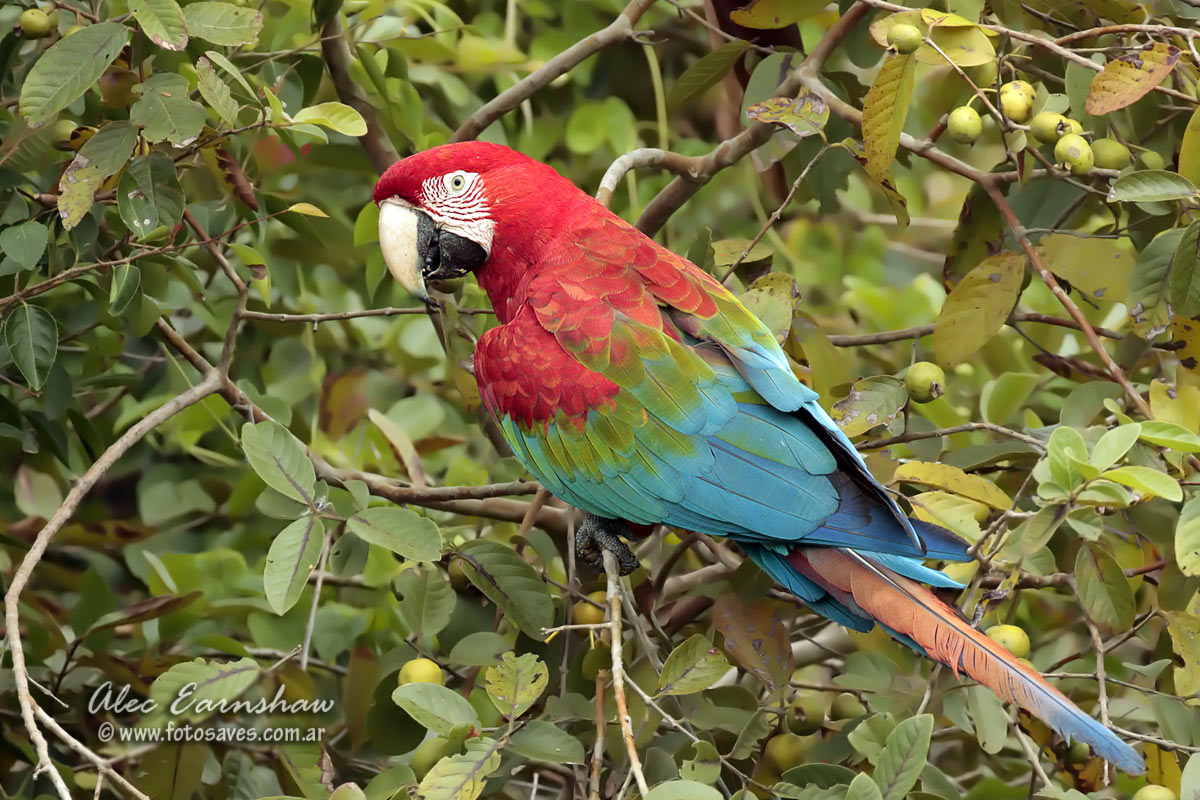
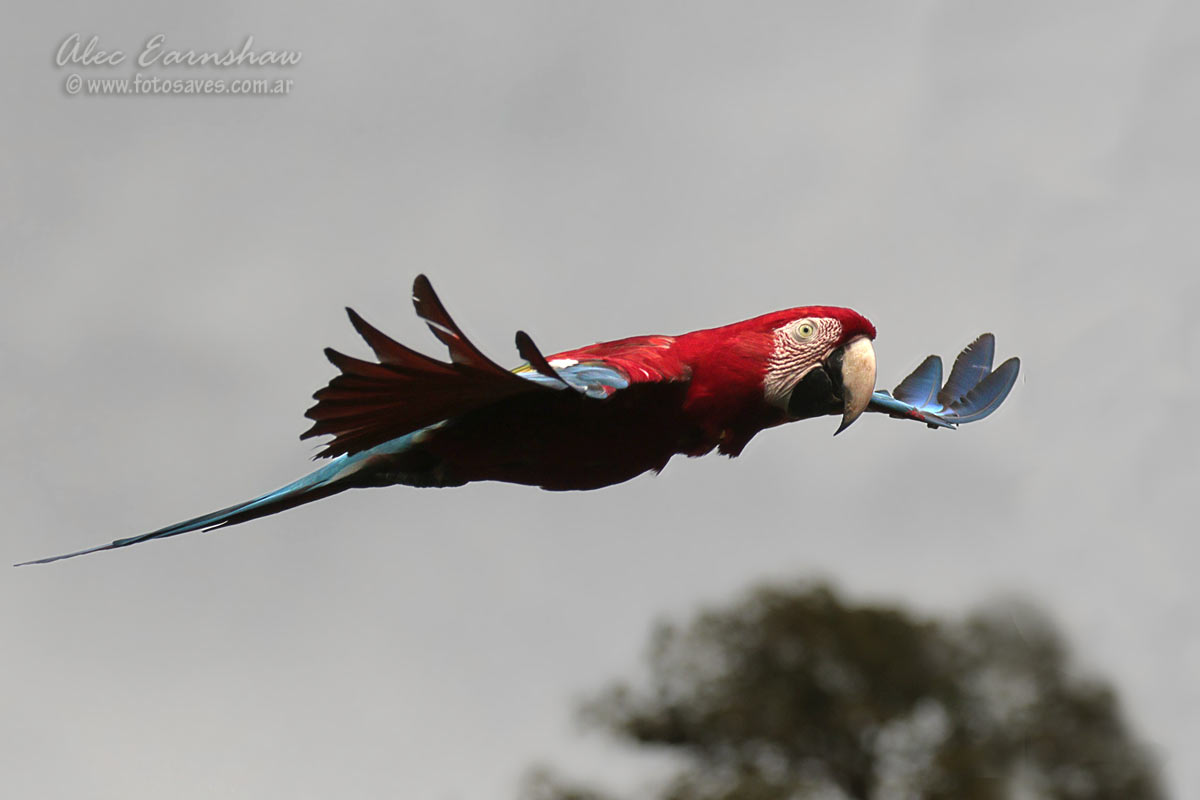
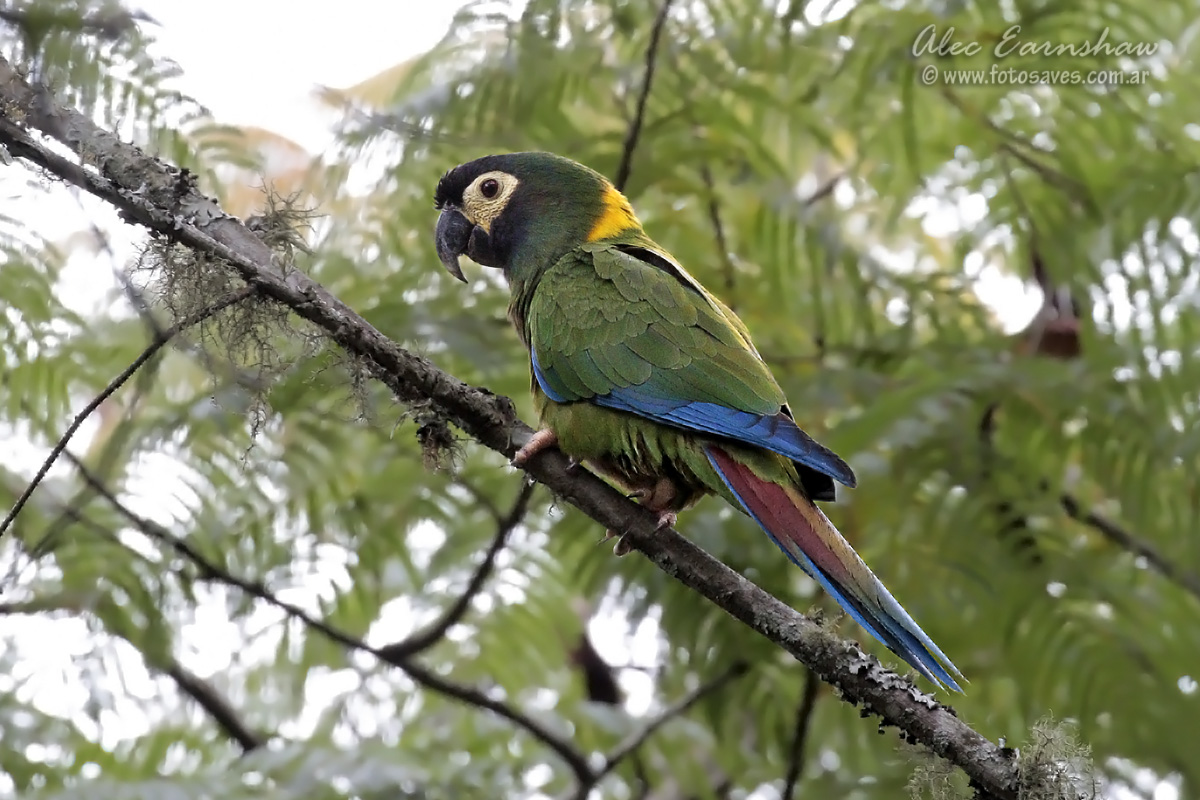
gustan ver loros? Entonces recorré el país y velos viviendo
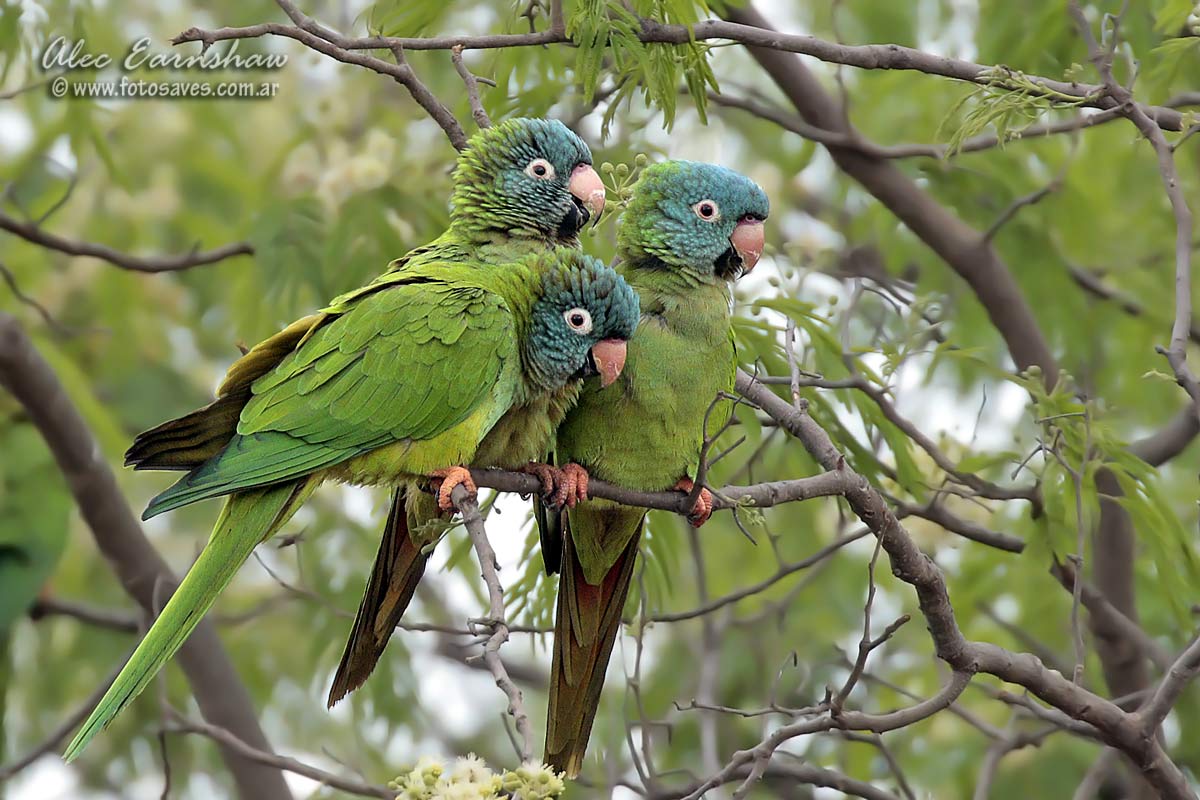
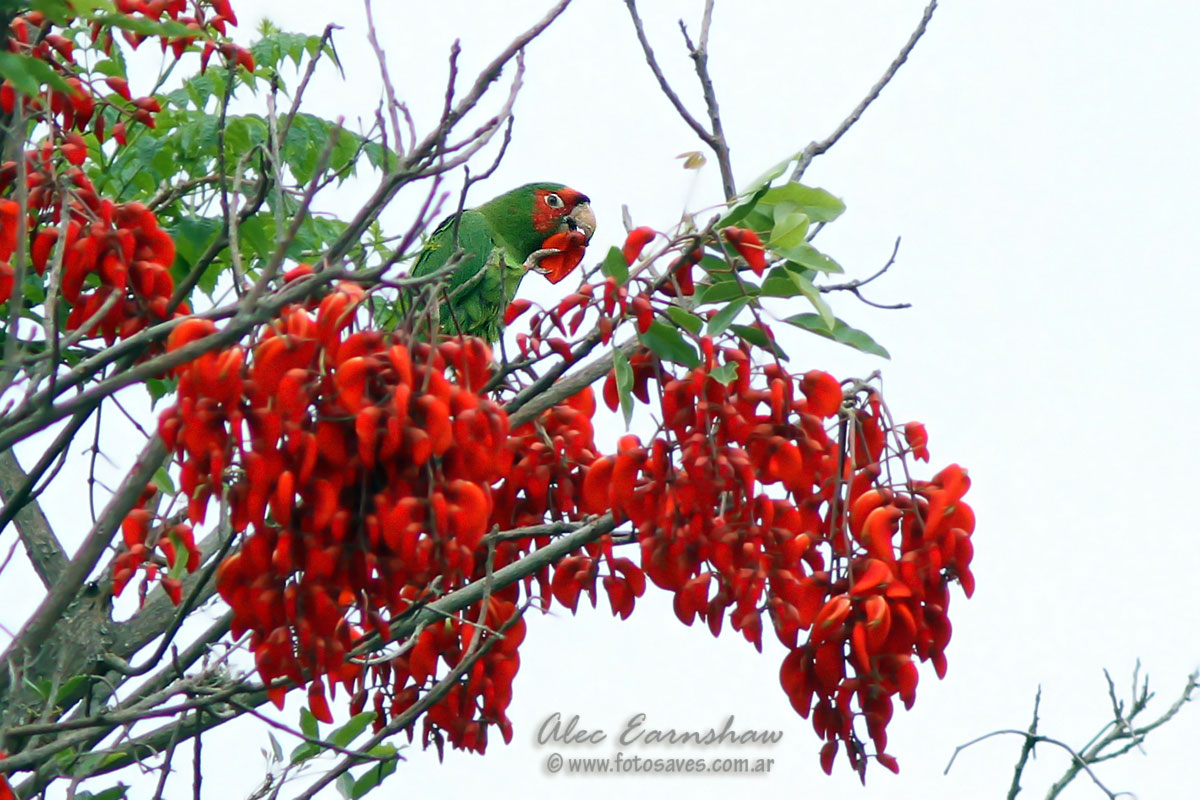
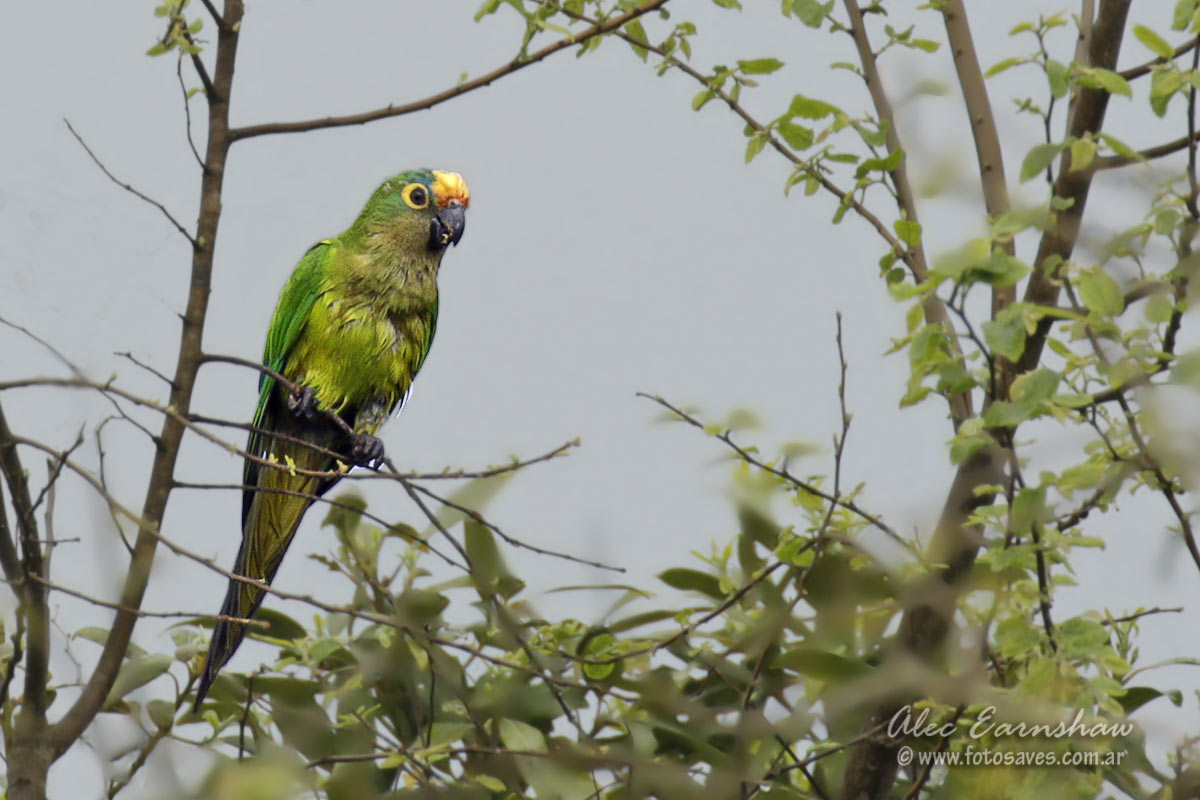
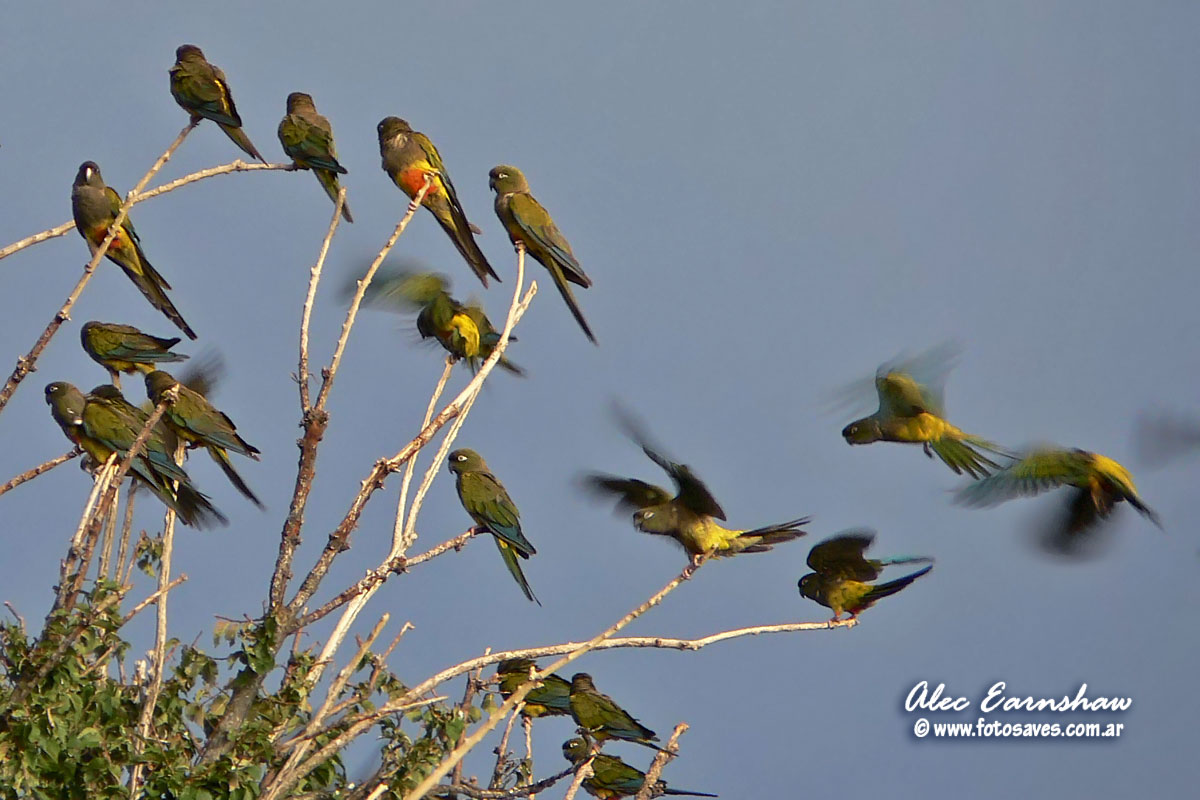
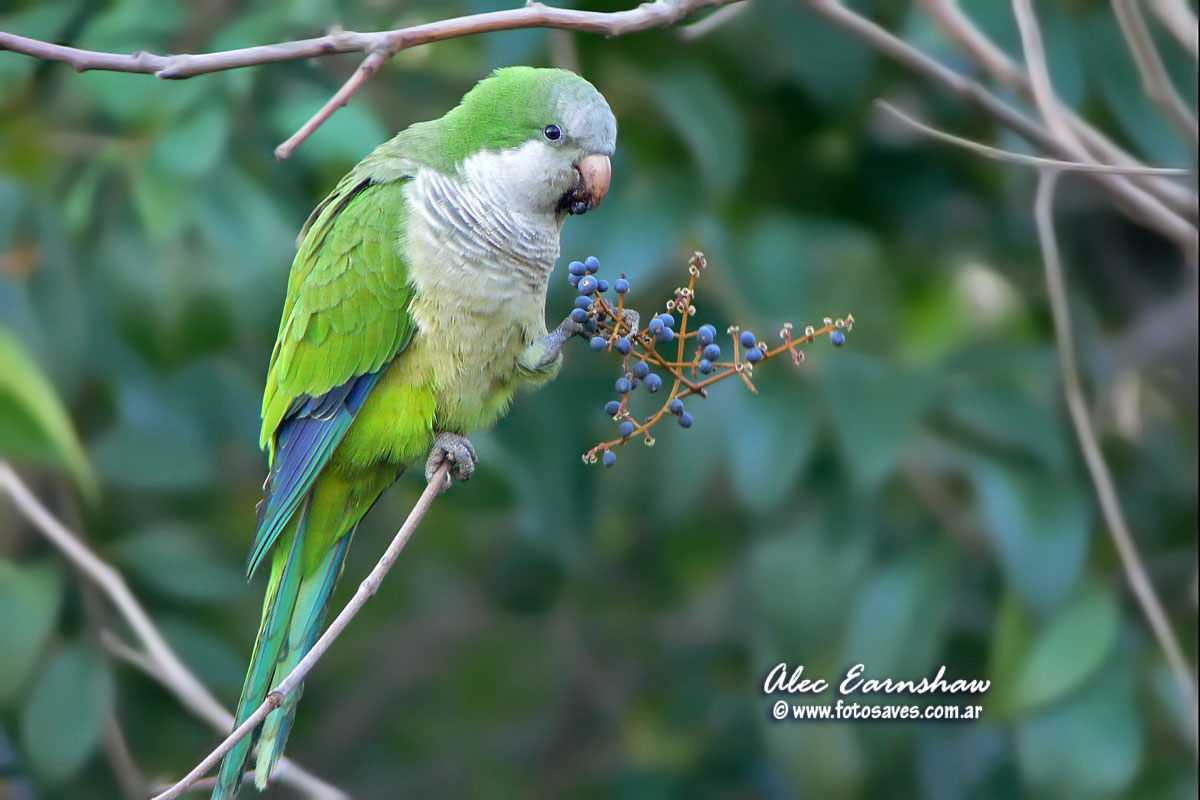
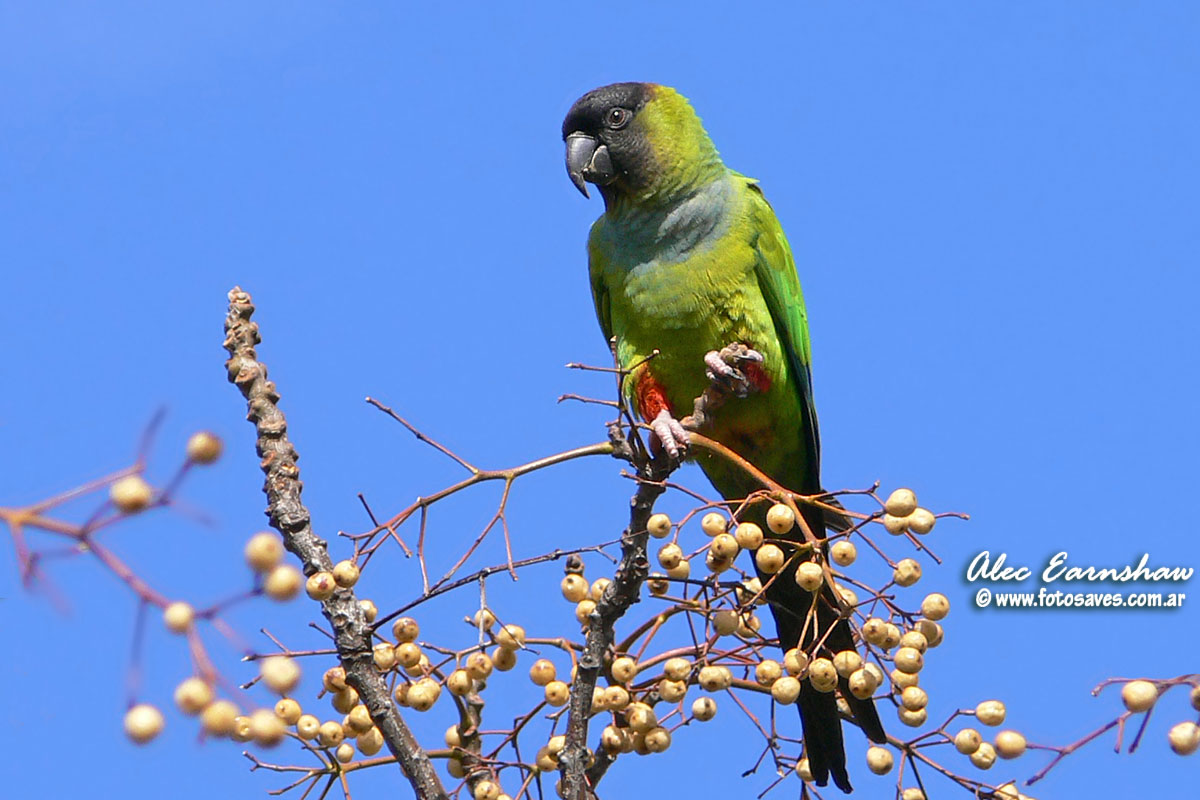
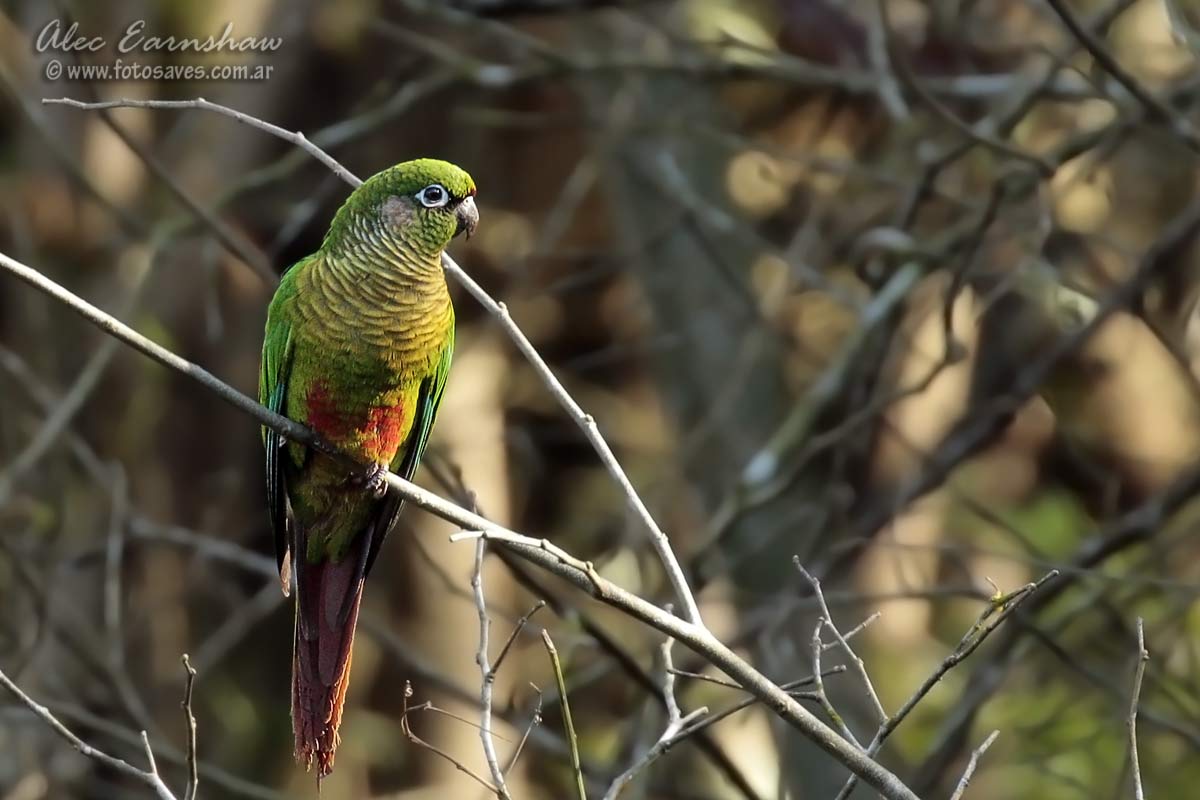
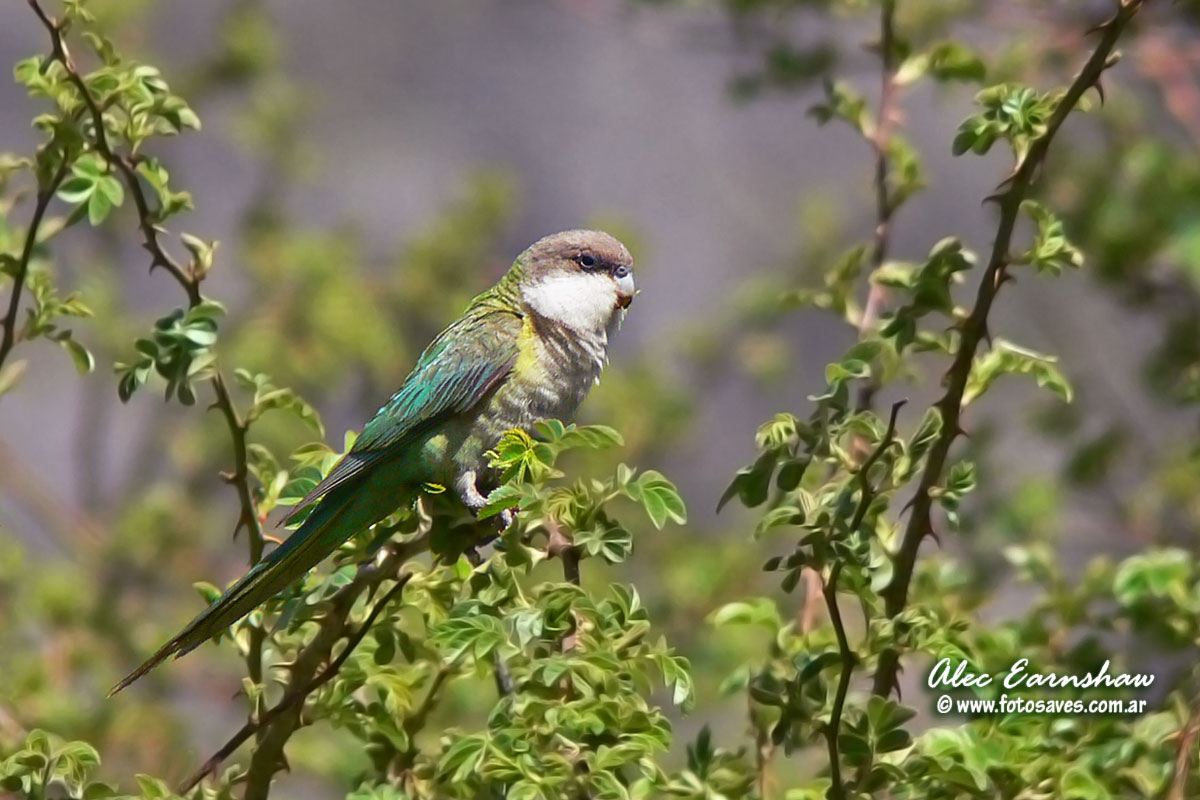
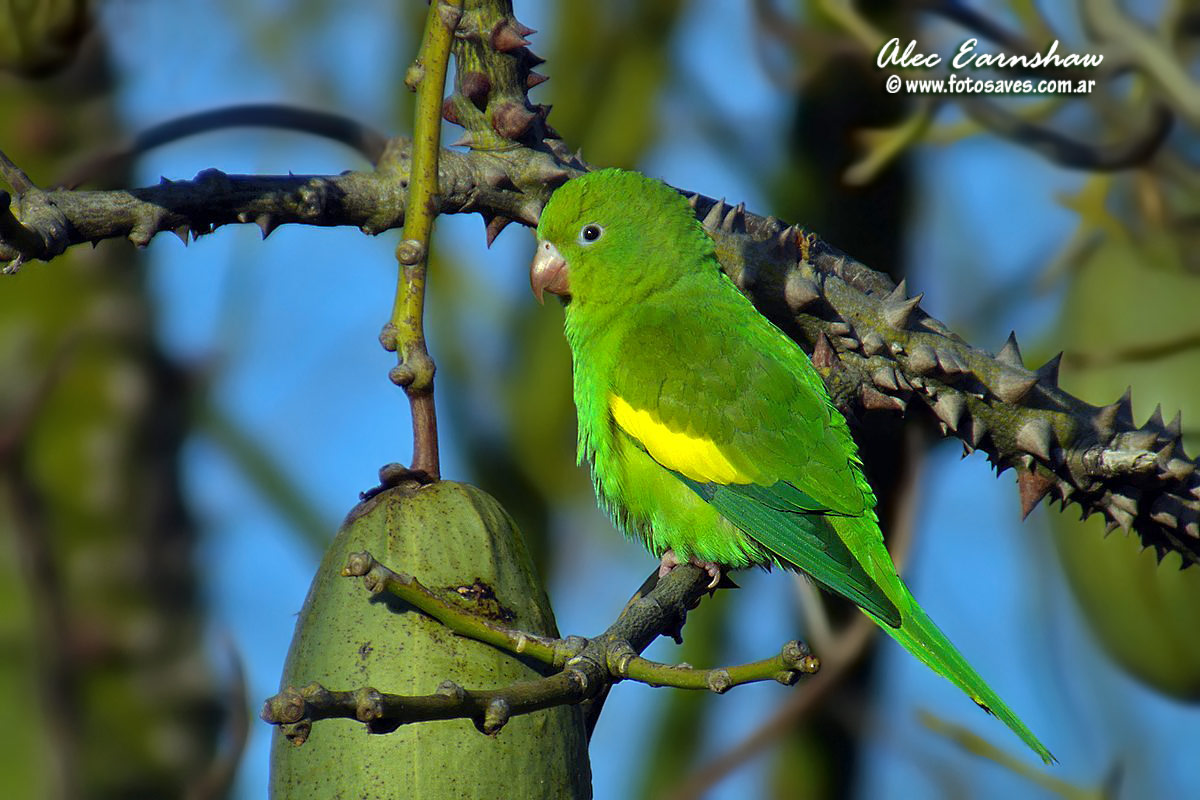
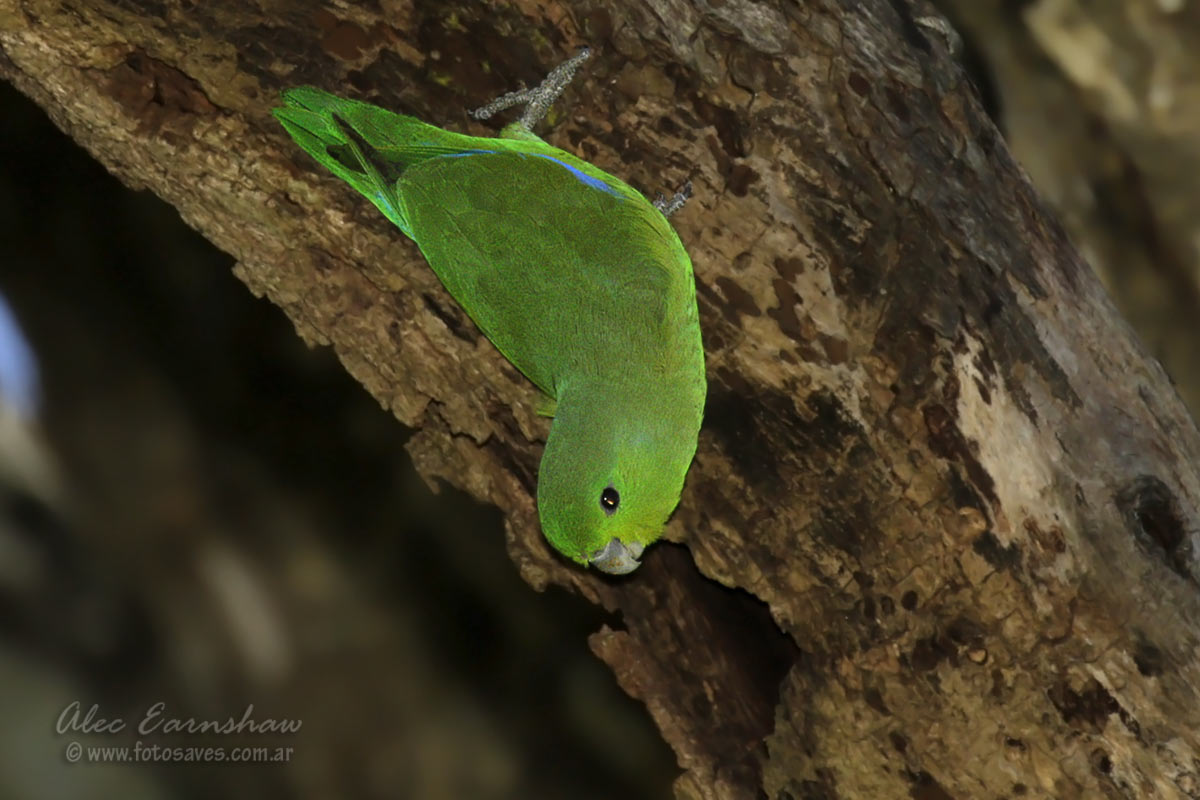
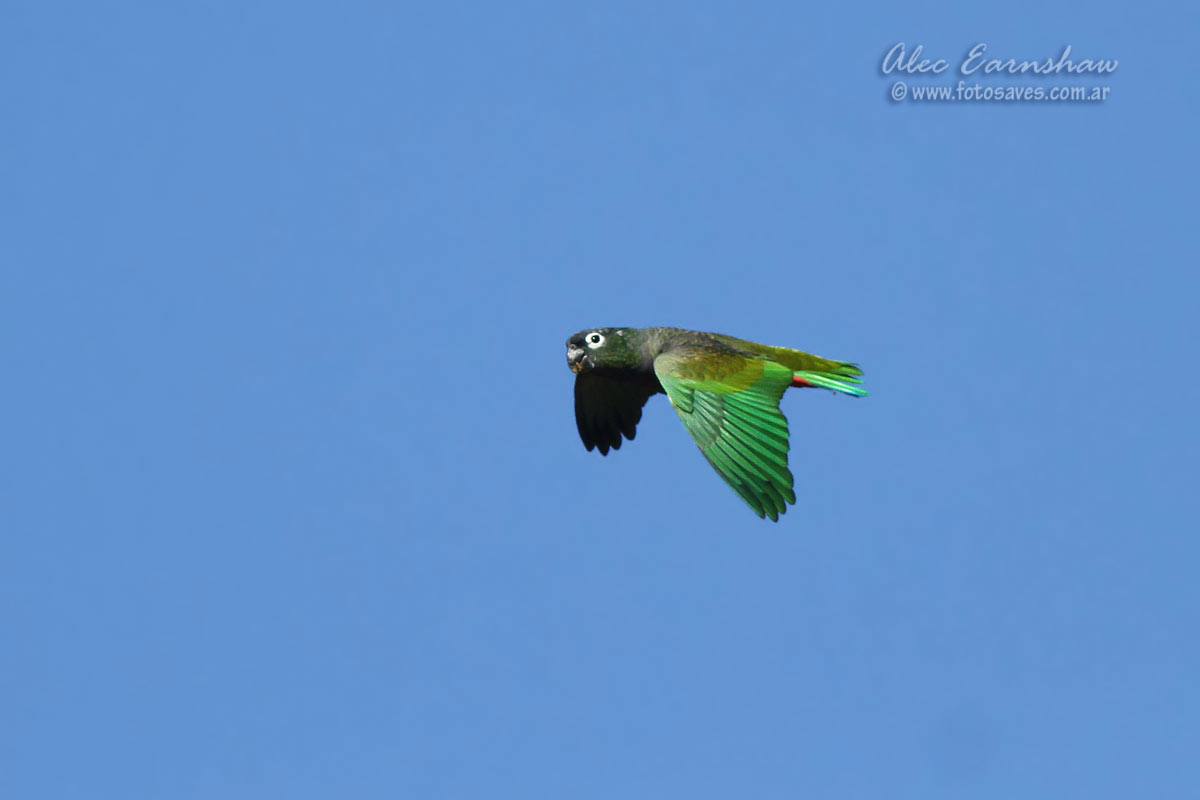
en libertad y en sus hábitats naturales. Argentina tiene 24
especies o variedades distintas de loros, algunos fáciles de observar en los lugares adecuados, y unos pocos que ya se consideran
prácticamente extintos: ni siquiera los científicos
que los estudian han logrado avistarlos en los últimos 20 o
30 años. Cada especie ocupa determinadas areas del territorio
(según los hábitats naturales) desde Tierra
del Fuego (loro Cachaña) hasta Jujuy y Misiones (donde está la mayor diversidad). Muchos viven en bosques y selvas
exhuberantes que bien vale la pena visitar.
- Debido
al comercio ilegal y al mascotismo (es decir, la posesión de un animal
silvestre como mascota), muchas variedades han sido incorrectamente
liberadas (o escapadas) en la ciudad de Buenos Aires o en puestos ruteros de Gendarmería, en un hábitat
que no les es propicio y está totalmente fuera de su zona de
distribución natural. Sin embargo, muchas especies de loros norteños han logrado
asilvestrarse, y hoy forman grandes bandadas en los parques de Buenos Aires y La Plata. Está por verse
cuál es el impacto que pueden causar estos nuevos "colonos"
en la fauna nativa de esta zona, lo que generalmente no es buena noticia para la vida silvestre en su conjunto. Las bandadas son fácilmente
visibles en muchas zonas de la ciudad y el conurbano - pero no siempre
es fácil reconocer la especie a la distancia. La forma más
fácil de advertir su presencia es por medio de sus vocalizaciones,
y es todo un desafío (no imposible de lograr) poder reconocer
también las especies según el "barullo" que
hacen.
- El mismo fenómeno ocurre a nivel mundial, y de hecho nuestra Cotorra Común, también conocida ahora como Cotorra Argentina, se ha establecido recientemente en otras ciudades del mundo, tales como Madrid, España y Chicago, EEUU, por citar sólo algunas.
|
DON'T
BUY PARROTS! Here's why:
-
Many
parrot species, both here and in the rest of the world, are facing extinction.
By buying parrots you are only making the situation worse. Allow
parrots to breed in the wild, were they belong. Do not cage them.
Its a prison cell for them...
-
In
order to collect the parrot chicks, pochers will cut down the trees in
which they nest, destroing the nests and killing off the parents. You would
be buying an orphan that has been hunted using horrific methods
which contribute to the devastation of wildlife areas. It is an
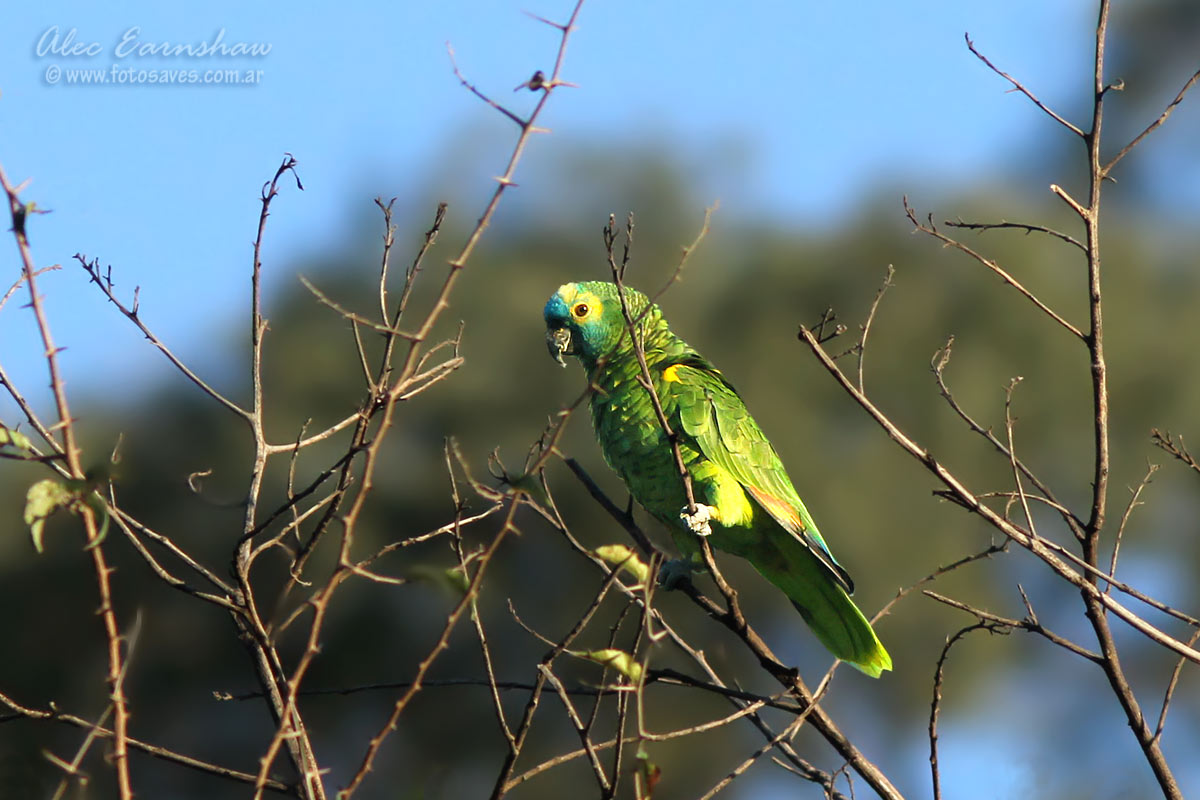
illegal trade which accelerates the loss of biodiversity. Perhaps worst of all, the tree with the nest is brought down to take the chicks. For instance, in the case of Turquise-fronted Parrot, consider that today not many trees remain that offer the suitably-deep cavities needed for nesting, only present in the oldest and largest trees. So poaching also results in accelerating the disappearance of the older, nest-bearing trees.
- Caged
birds, especially parrots, can transmit serious diseases that are
harmful to humans and to other animals that live with them. Keeping
a pet parrot can be a health hazard for the community.
- Please
don't buy parrots - ever! For the sake of parrots...
- Want
to help "save the world"? You can at least start by not buying parrots!
- If
you like to see parrots, then go to see them in the wild in the 4
corners of the country. Argentina has 24 parrot species which thrive
in specific habitats, from Tierra del Fuego in the south (the Austral Parakeet), to Jujuy
in the north.
- Because
of the illegal pet trade and escapes, Buenos Aires now has large populations of
many parrot species not native to the area which have become feral, and survive far from
their proper habitat and natural range. It remains to be seen what damage these colonizers might cause in the longrun to other wildlife.
|